 Lyophilisate in a glass vial

Metabolic and mitochondrial research
14 products from €31.95
Peptides and related compounds for studies of energy metabolism and mitochondrial function. Cell-based assays and respiratory chain measurements are common.
Lyophilisate in a glass vial Lyophilisate in a glass vial
 Lyophilisate in a glass vial
 Lyophilisate in a glass vial
 Lyophilisate in a glass vial
 Lyophilisate in a glass vial
 Capsules
 Solution in a glass vial
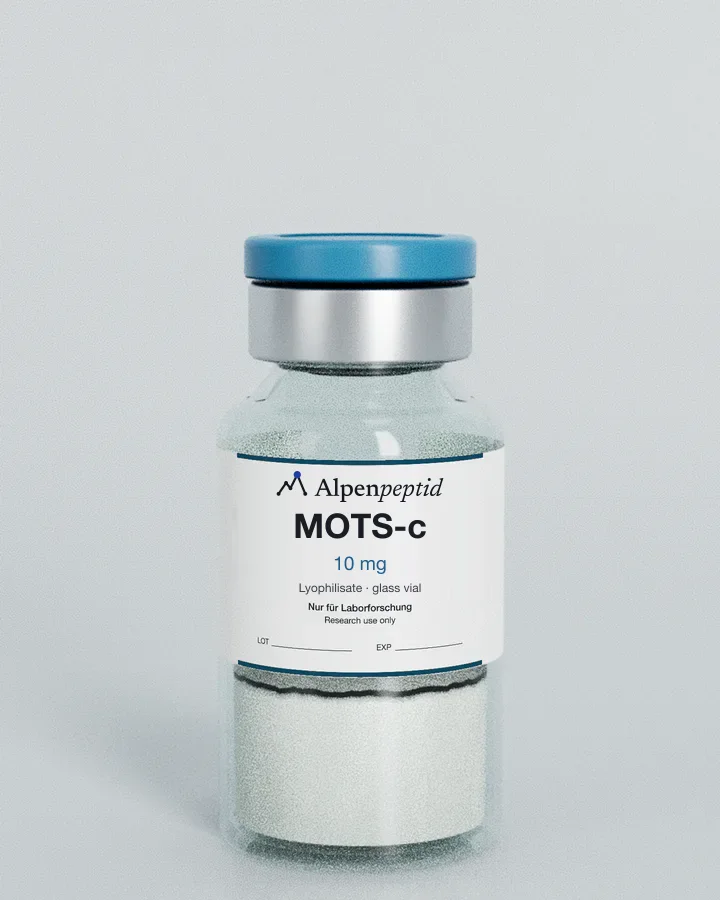 Lyophilisate in a glass vial
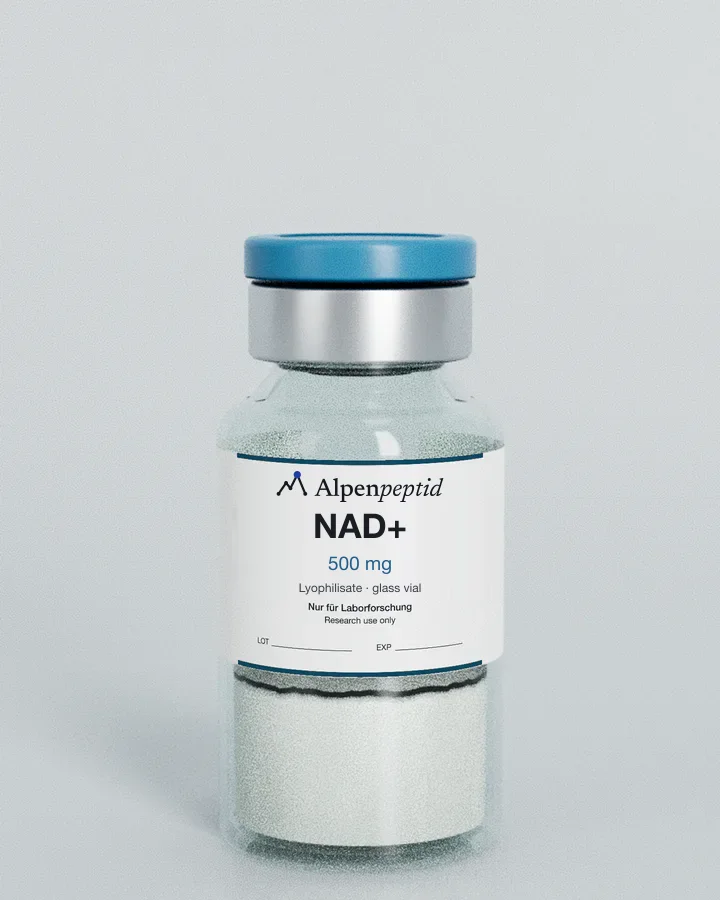 Lyophilisate in a glass vial
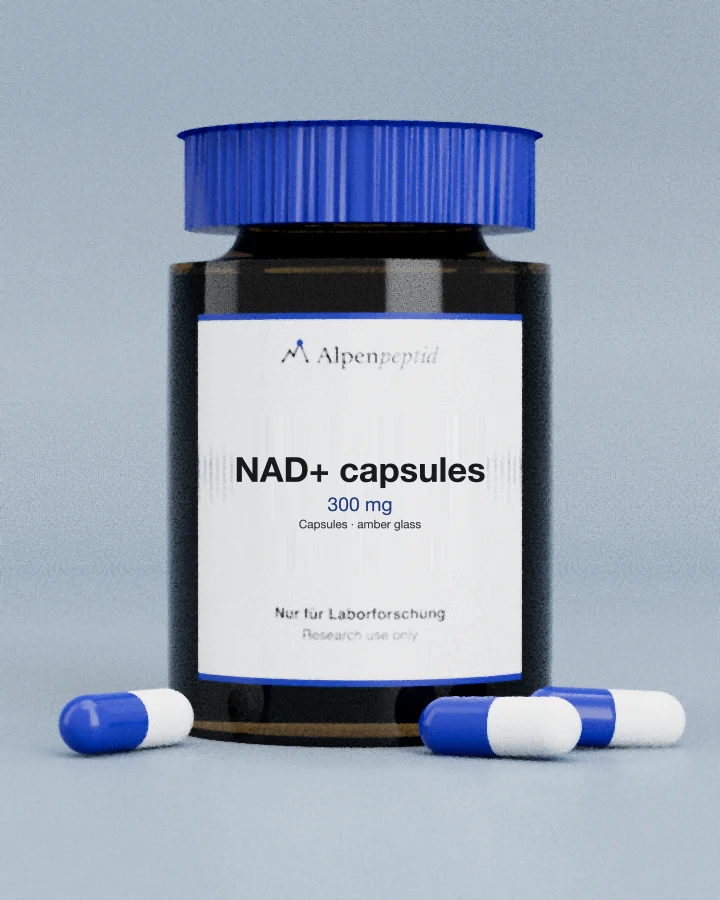 Capsules
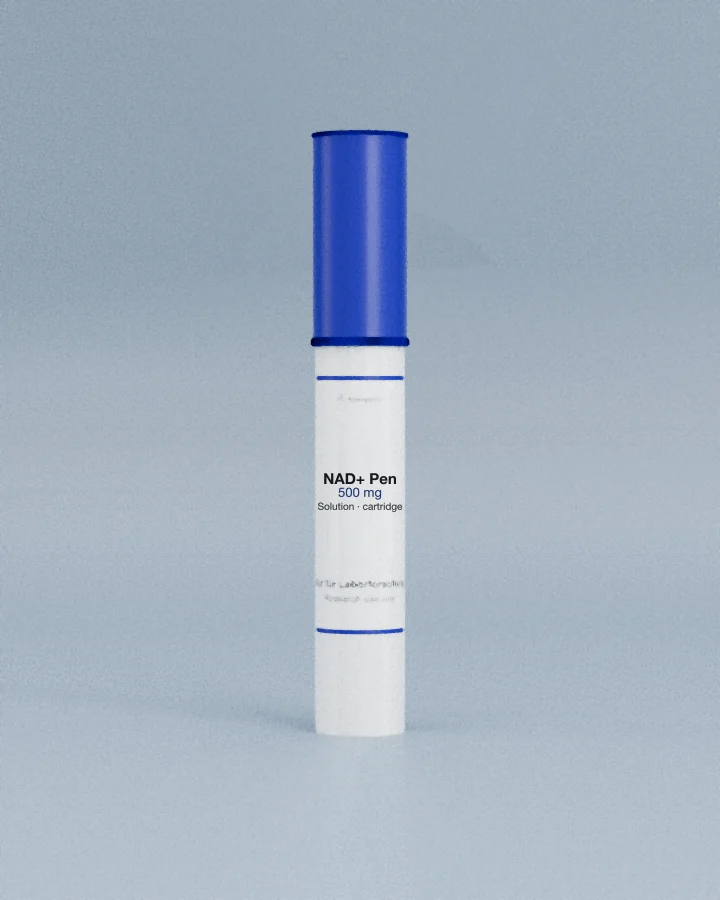 Cartridge
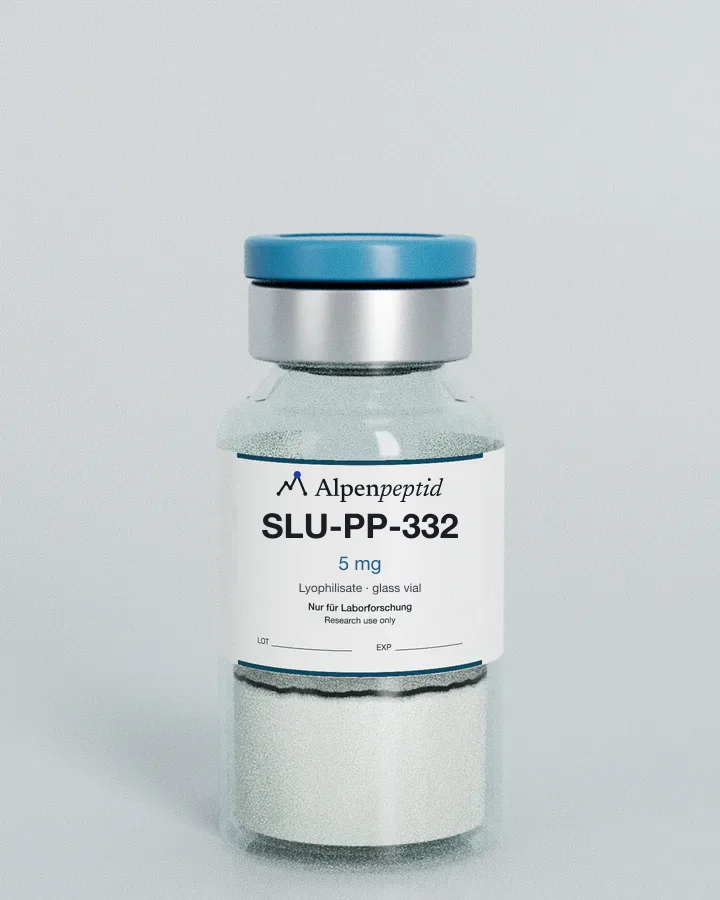 Lyophilisate in a glass vial
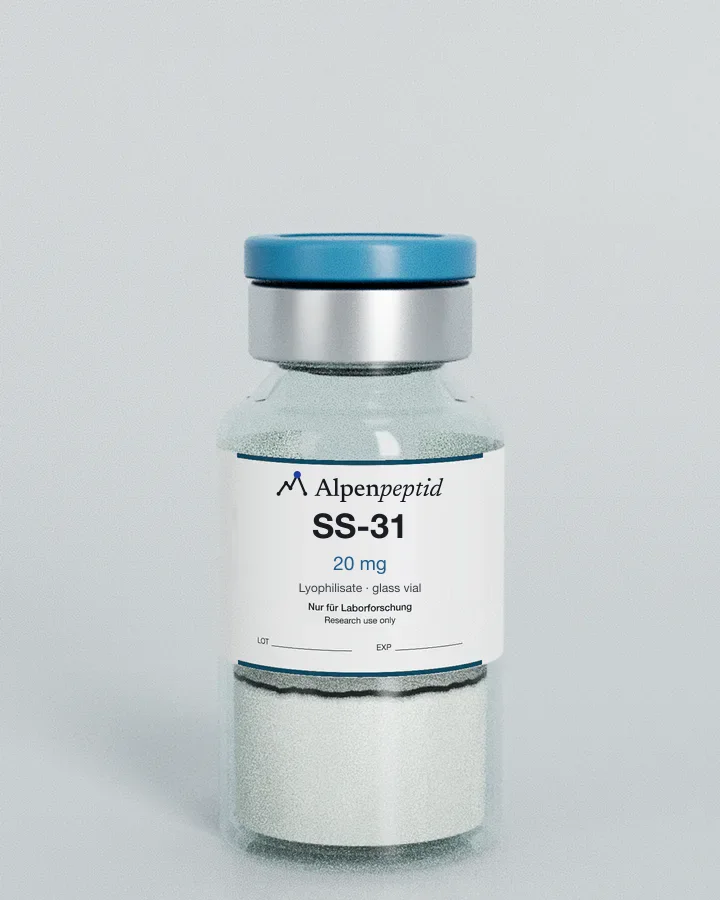 Lyophilisate in a glass vial
About Metabolic and mitochondrial research
This research area brings together peptides and related compounds for studies of energy metabolism and mitochondrial function. MOTS-c is a peptide of 16 amino acids encoded in the mitochondrial genome. SS-31, also called elamipretide, is a tetrapeptide that binds to cardiolipin in the inner mitochondrial membrane. Cagrilintide is a lipidated analogue of amylin, and B7-33 is derived from the B chain of relaxin.
Not every product in this area is a peptide. NAD+ is a coenzyme, AICAR a nucleoside analogue, 5-Amino-1MQ and SLU-PP-332 are small molecules, and methylene blue is a dye. Different rules apply to dissolving and storing them than to peptides. Methylene blue solution should be kept out of the light.
The products come as a lyophilisate, as capsules, as a solution or as a cartridge. Cell-based assays and measurements of the respiratory chain are typical lab applications.
Comparisons and further reading
- Peptide content vs purity: the difference explained
- Storing peptides: fridge, freezer and lyophilisate
Common questions
Which products are not peptides?
NAD+, AICAR, 5-Amino-1MQ, SLU-PP-332 and methylene blue. They are listed here because they are used in the same research questions.
What is SS-31?
A tetrapeptide, also called elamipretide, that binds to cardiolipin in the inner mitochondrial membrane. The product page gives sequence, formula and mass.
How do I store NAD+?
Dry, cool and protected from light, as stated on the safety data sheet. NAD+ is sensitive in solution, especially at higher temperatures.
For laboratory research use only. Not for use in humans or animals.