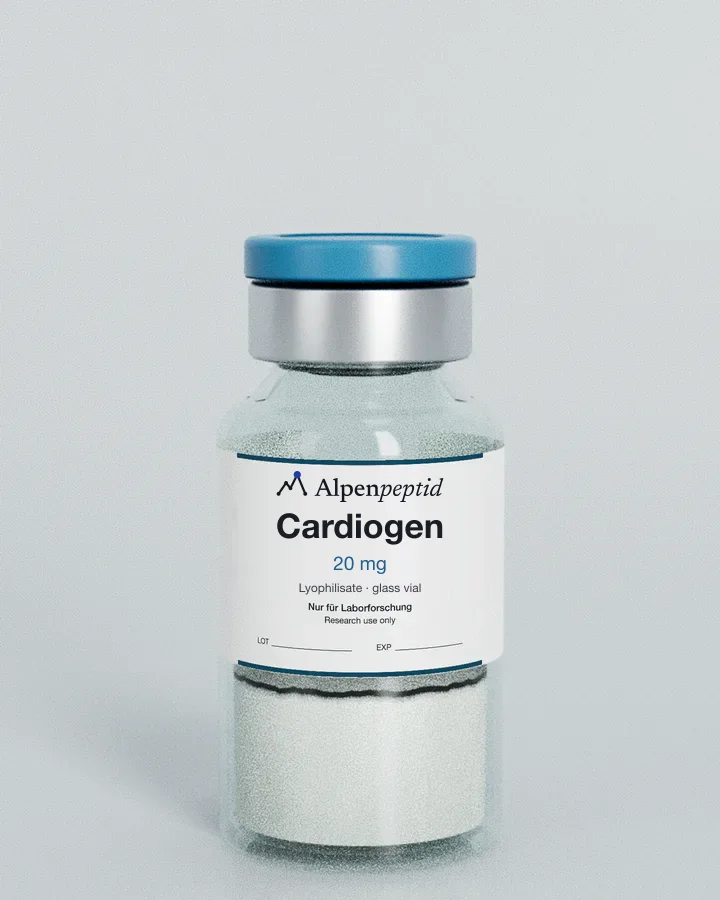
 Lyophilisate in a glass vial
Bioregulators
14 products from €23.99
Very short peptides of two to four amino acids, named after the tissue they were originally derived from. In the lab, interest centres on their interactions at cell level.
Lyophilisate in a glass vial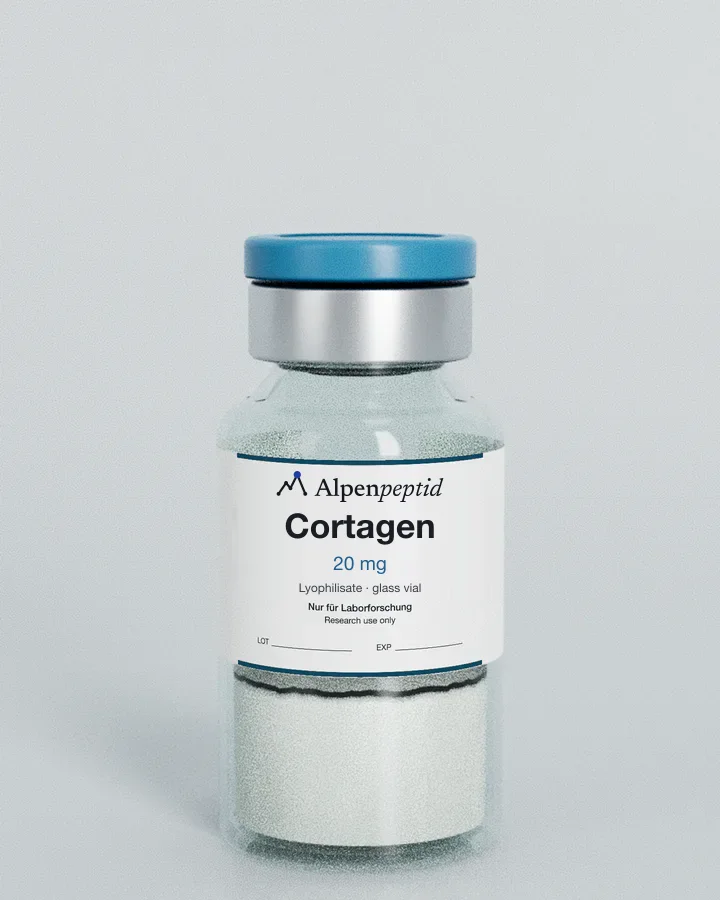 Lyophilisate in a glass vial
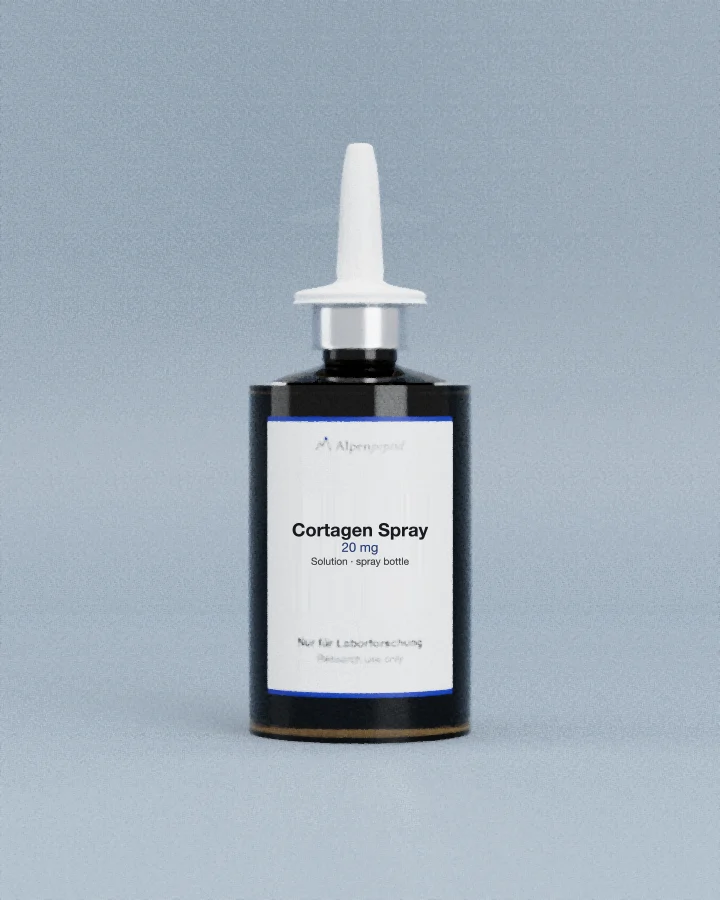 Spray bottle
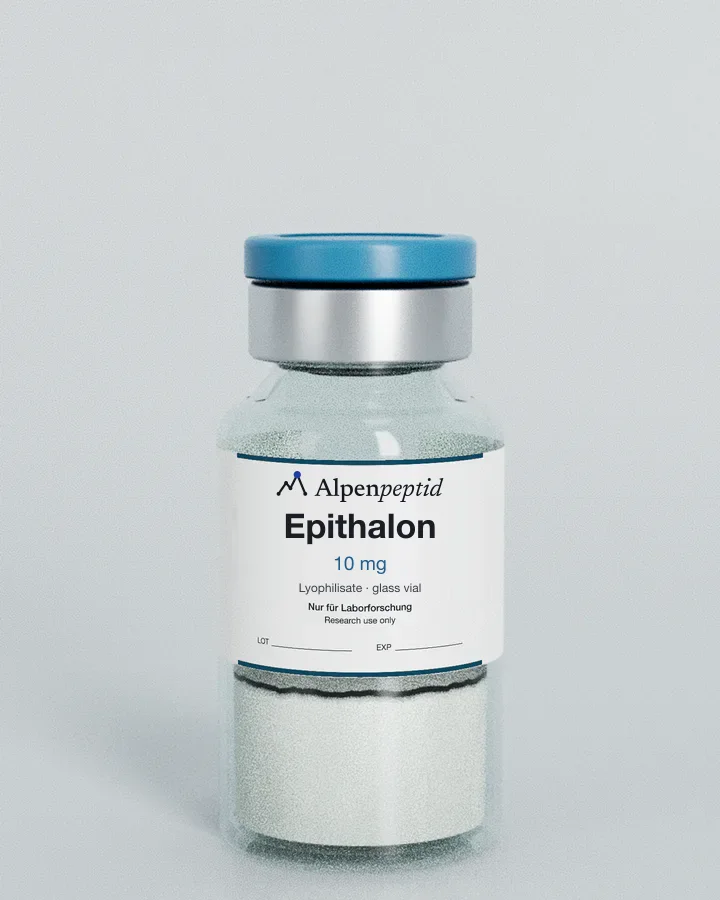 Lyophilisate in a glass vial
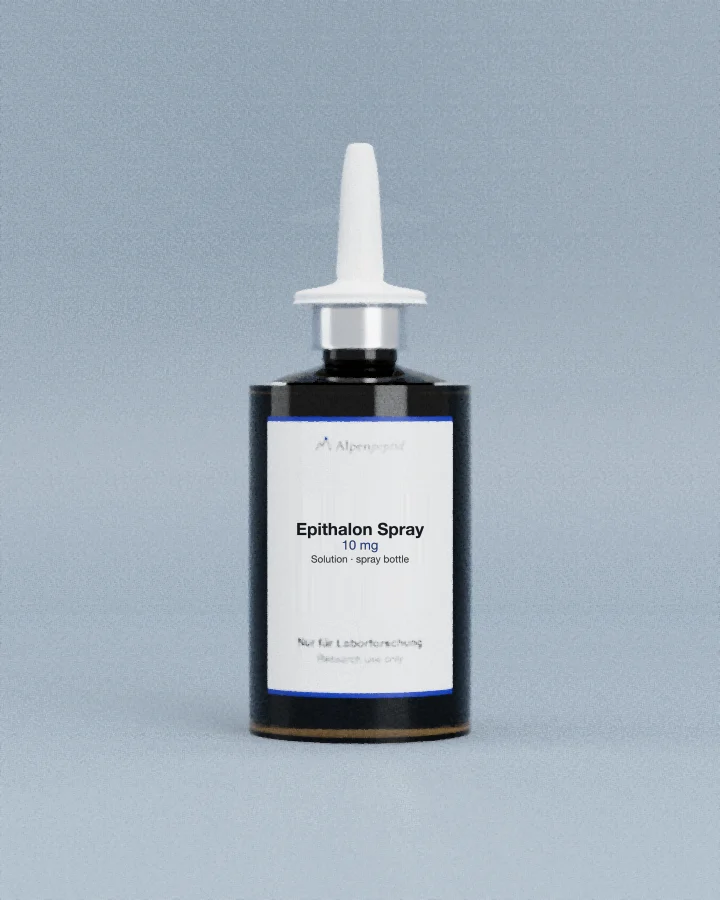 Spray bottle
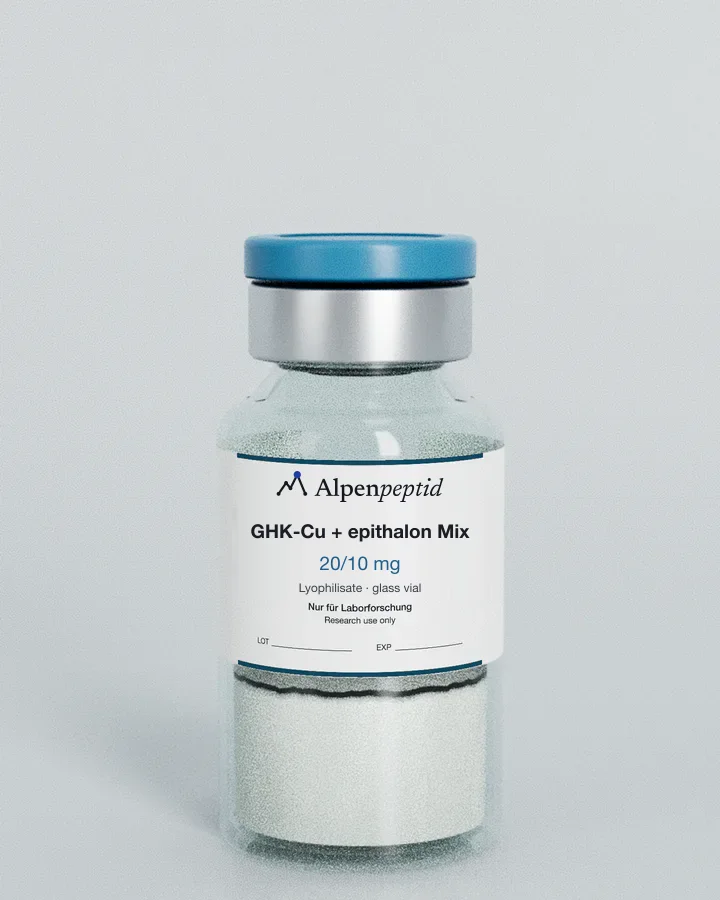 Lyophilisate in a glass vial
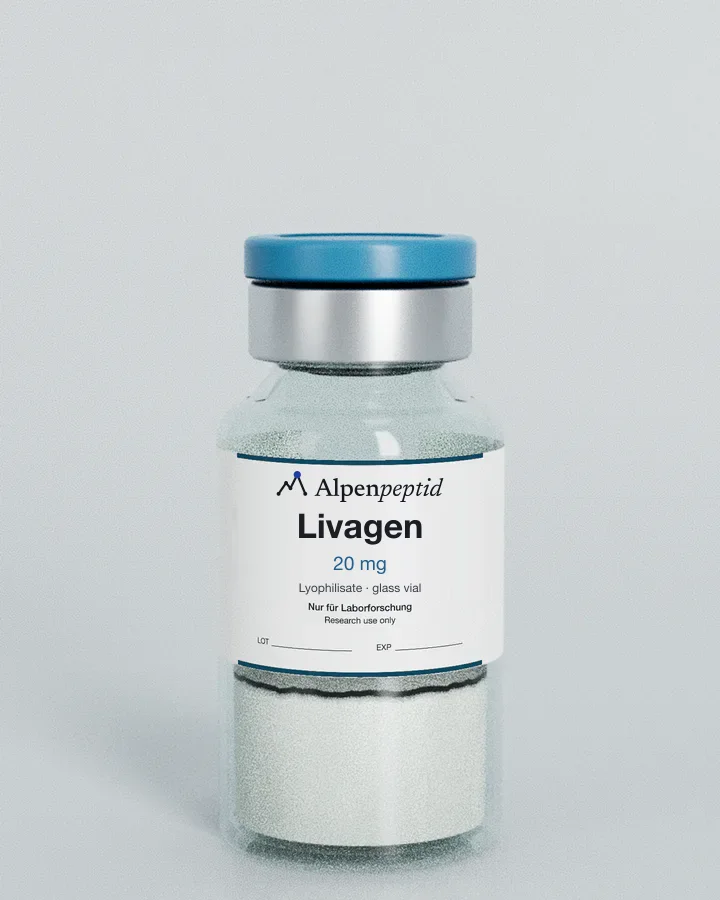 Lyophilisate in a glass vial
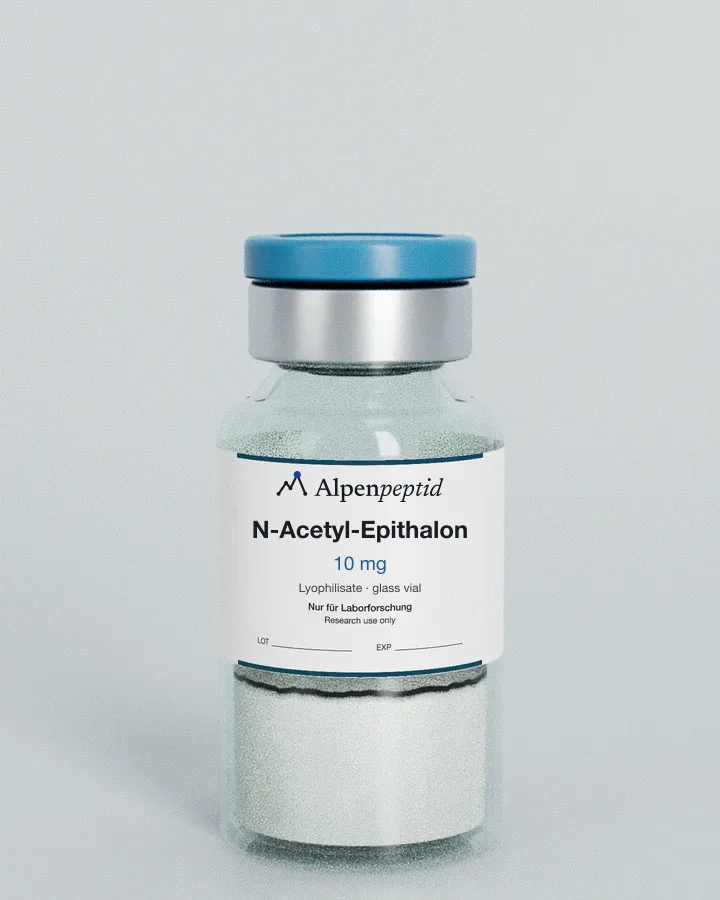 Lyophilisate in a glass vial
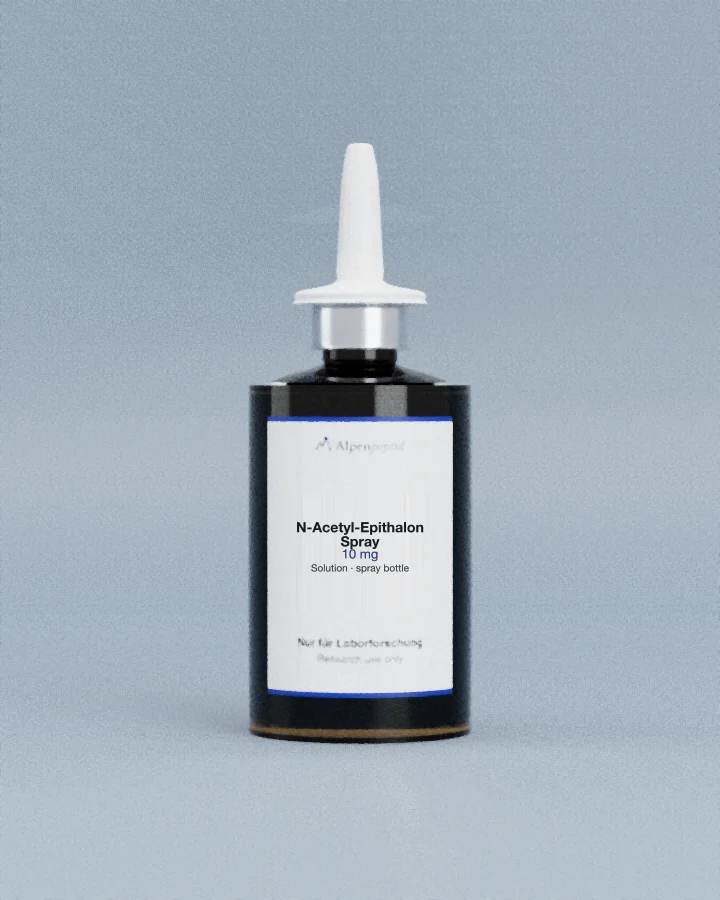 Spray bottle
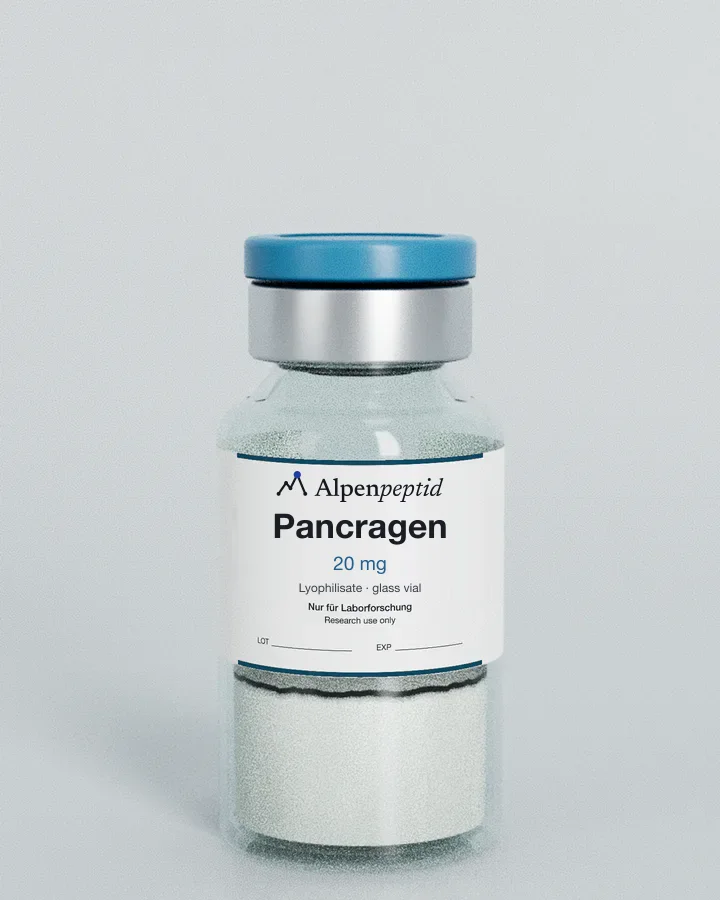 Lyophilisate in a glass vial
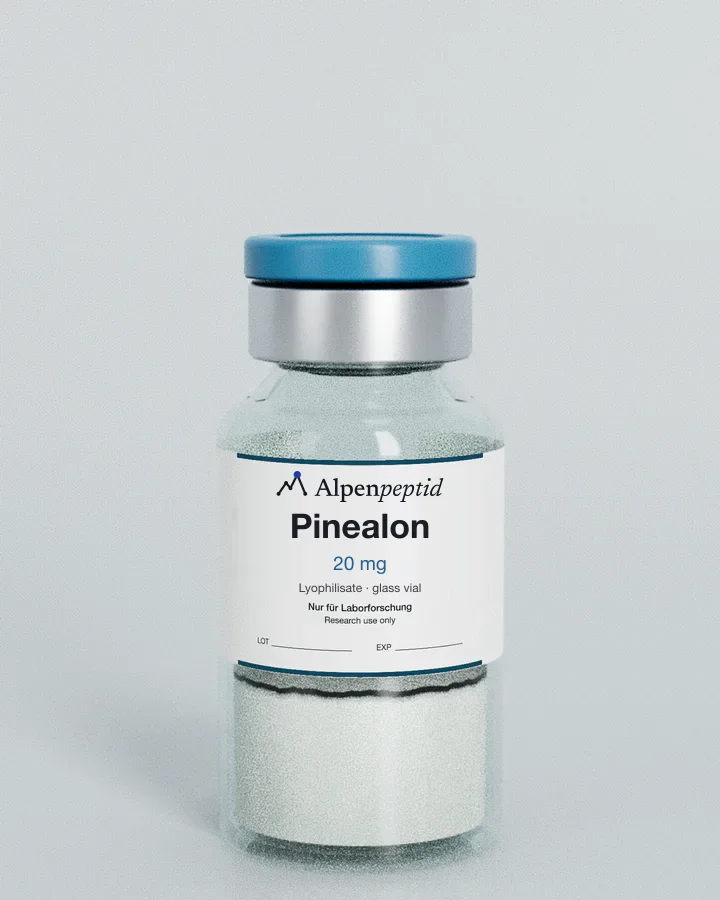 Lyophilisate in a glass vial
 Lyophilisate in a glass vial
 Lyophilisate in a glass vial
 Lyophilisate in a glass vial
About Bioregulators
Bioregulators are very short peptides of two to four amino acids, studied mainly in Russian research. Their names refer to the tissue they were originally derived from. In the lab, interest centres on their interactions at cell level.
The sequences are short and easy to follow: epithalon is Ala-Glu-Asp-Gly, pinealon Glu-Asp-Arg, vesugen Lys-Glu-Asp, livagen Lys-Glu-Asp-Ala and cortagen Ala-Glu-Asp-Pro. Cardiogen, pancragen, prostamax and testagen are further tetrapeptides of this group. Because the molecules are so small, the molecular mass is usually below 600 g/mol. Even small modifications such as an acetyl group therefore make a noticeable difference to the mass.
Most bioregulators are charged and dissolve well in water. Epithalon, N-acetyl epithalon and cortagen also come as a spray bottle, and epithalon in a mix with GHK-Cu.
Comparisons and further reading
- Epithalon vs N-Acetyl-Epithalon
- What Are Peptides? Peptide Chemistry Basics Explained
- Peptide Nomenclature Explained: Why the Same Substance Has Several Names
Common questions
Where do the bioregulator names come from?
They refer to the tissue the peptides were originally derived from, such as cardiogen to the heart or livagen to the liver. The names say nothing about an effect.
What is the difference between epithalon and N-acetyl epithalon?
The N-acetylated form carries an acetyl group at the N-terminus and is 42 g/mol heavier as a result. The data comparison shows both side by side.
How do I dissolve such short peptides?
Water is usually enough. Because the amounts are small, it is often more accurate to dissolve the whole vial in a known volume than to weigh out portions.
For laboratory research use only. Not for use in humans or animals.